Mastering strategies for poker Techniques to dominate the table
Understanding the Basics of Poker
To become a formidable poker player, it’s essential to first grasp the basics of the game. Poker is not just about the cards you hold; it’s a blend of strategy, psychology, and skill. Familiarize yourself with the different variants of the game, such as Texas Hold’em and Omaha, and understand their unique rules. This foundational knowledge will allow you to make informed decisions at the table and enhance your overall gameplay experience. Moreover, in your quest for insights into the online betting space, visiting https://bettomcasino-uk.com/ can provide you valuable information.
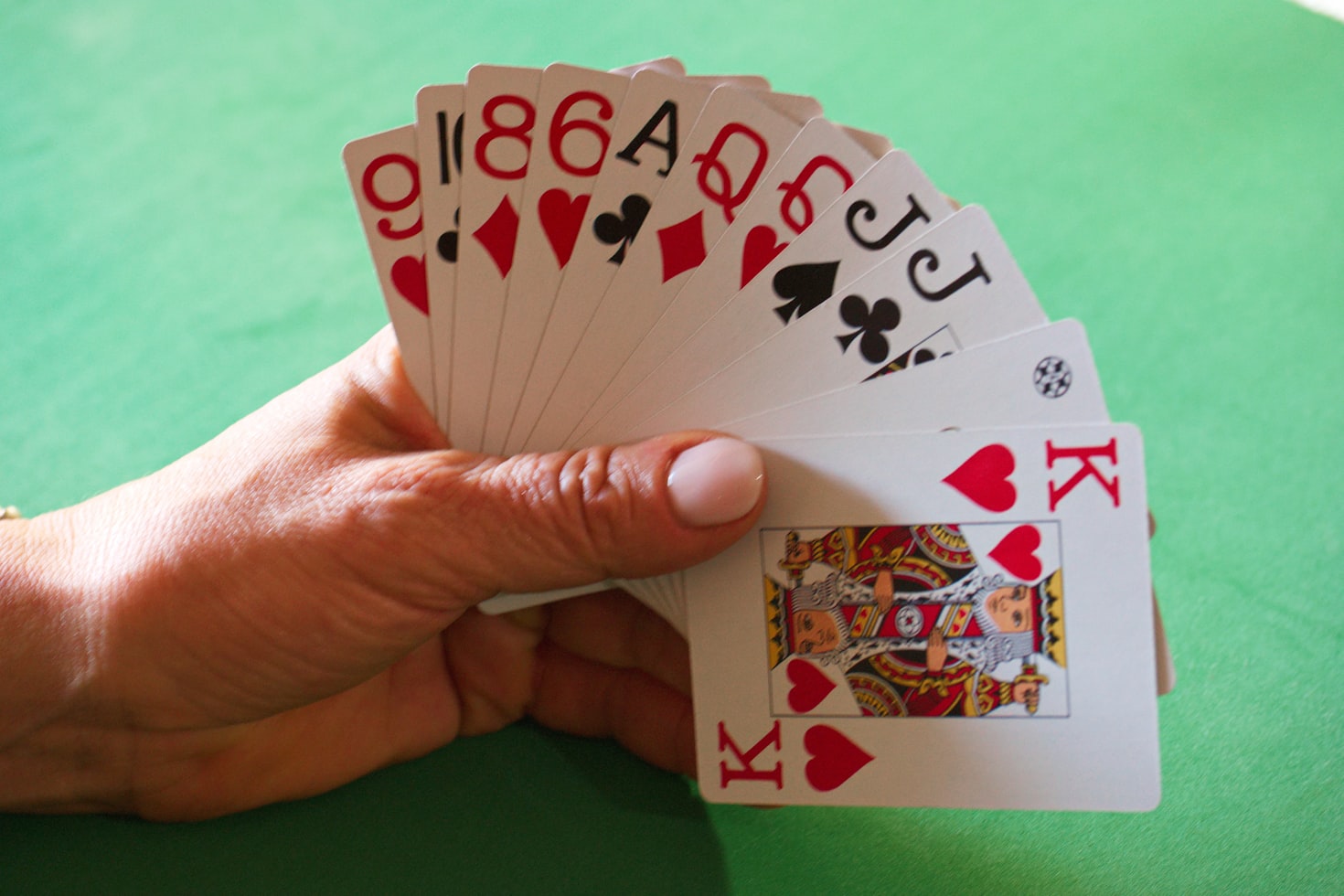
Moreover, understanding hand rankings is crucial. Knowing what constitutes a winning hand can be the difference between folding and betting. For instance, recognizing that a flush beats a straight can guide your betting decisions. By mastering these fundamental aspects, you’ll build confidence and a strategic mindset, setting the stage for more advanced techniques.
Lastly, it’s important to familiarize yourself with common poker terminology. Terms like “bluffing,” “pot odds,” and “position” play a vital role in how the game is played. By speaking the language of poker, you can engage more effectively with other players and better understand strategies being employed at the table. This knowledge not only sharpens your skills but also enhances your enjoyment of the game.
The Psychology of Poker
Psychology in poker is as vital as mathematics. Understanding how to read your opponents can provide you with a significant advantage. Pay attention to their behaviors, such as betting patterns or facial expressions, which can give insights into the strength of their hands. For instance, a player who consistently bets large may be holding a strong hand or could be attempting to bluff. This psychological aspect of poker is often referred to as “tells,” and mastering it can elevate your gameplay.
Additionally, managing your own emotions is critical in maintaining composure. Emotional decisions can lead to impulsive betting and ultimately result in losses. Cultivating a calm demeanor will allow you to evaluate situations more rationally and make decisions based on strategy rather than emotions. Techniques such as deep breathing or taking short breaks can help you regain focus and prevent tilt—a state of emotional frustration that can cloud your judgment.
Lastly, the concept of risk management ties into poker psychology. Knowing when to take calculated risks is essential for mastering the game. Players must weigh potential gains against possible losses and adjust their strategies accordingly. This involves not only understanding your hand but also gauging the likelihood of your opponents’ hands and their potential reactions. By honing your psychological insights, you will navigate the complexities of poker with greater efficacy.
Mastering Advanced Strategies
Once you’ve grasped the fundamentals and psychology of poker, it’s time to delve into advanced strategies. One effective technique is the art of bluffing, where you attempt to convince opponents that you have a stronger hand than you actually do. Successful bluffing requires a keen understanding of your opponents, as well as timing. It’s essential to know when to bluff and when to hold back, as overusing this tactic can lead to predictability and losses.
Another advanced strategy is position play. In poker, your position at the table can significantly affect your betting strategy. Players who act later in a round have the advantage of observing opponents’ actions before making their own decisions. Using this knowledge strategically can lead to more informed bets. For example, if you’re last to act and notice that your opponents are folding, this might be a perfect time to raise the stakes with a strong hand.
Furthermore, understanding pot odds and implied odds can enhance your decision-making process. Pot odds refer to the ratio of the current size of the pot to the cost of a contemplated call, while implied odds consider potential future winnings. By calculating these odds effectively, you can determine whether a call is statistically favorable. This analytical approach to betting can help you maximize your returns and minimize losses during gameplay.
Reading Your Opponents
Developing the ability to read your opponents is a crucial skill in poker. This involves observing their behavior and betting patterns throughout the game. A player who frequently raises pre-flop might be playing aggressively, while one who frequently folds could be more cautious. By identifying these tendencies, you can tailor your strategy to exploit their weaknesses. For example, if you notice a player bluffing too often, you might choose to call their bets more frequently.
Moreover, paying attention to non-verbal cues can provide invaluable insights. A player’s body language, eye movements, and even their breathing can indicate their confidence or uncertainty about their hand. For instance, a player who suddenly becomes overly talkative may be trying to hide their nervousness, suggesting a weaker hand. Being able to interpret these cues accurately can give you the upper hand in high-stakes situations.
Lastly, keep in mind that reading opponents is not just about their actions at the table. Consider their previous gameplay styles as well. Analyzing their performance in past games can provide a wealth of information about their strategic approaches and likely behaviors in the current game. This deep understanding can empower you to make informed decisions, increasing your chances of dominating the table.
Utilizing Online Platforms for Improvement
In today’s digital age, online poker platforms offer players a wealth of resources to refine their skills. Many websites provide tutorials, strategy guides, and interactive games to help you practice and develop your gameplay. By engaging with these platforms, you can experiment with different strategies in a risk-free environment. This practice is essential for building confidence and honing your abilities before stepping back into live gameplay.
Additionally, online forums and communities allow players to share insights and experiences. Engaging with other poker enthusiasts can expose you to various strategies, tips, and psychological techniques that you might not encounter in your own practice. Learning from experienced players can significantly shorten your learning curve and enhance your overall understanding of the game.
Lastly, participating in online tournaments can provide real-time experience and competition. These events often feature a diverse range of opponents, allowing you to test your skills against varying strategies and styles of play. By facing different challenges, you can refine your adaptability and strategic thinking, crucial components for dominating the poker table.